

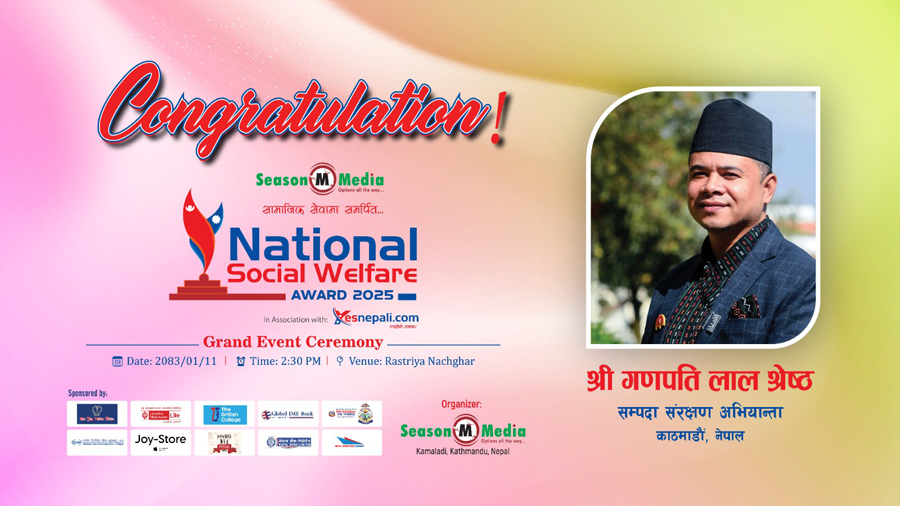
Kathmandu, Ganapati Lal Shrestha is a prominent cultural heritage activist and community leader from Basantapur, Kathmandu, widely recognized for his unwavering commitment to the preservation, restoration, and promotion of Nepal’s historical and cultural assets. Emerging as a strong civic voice particularly after the devastating 2015 Nepal Earthquake, he has dedicated his life to safeguarding heritage sites and advocating for culturally sensitive reconstruction practices.
Deeply rooted in the historic locality of Basantapur and Hanuman Dhoka, Shrestha transformed personal tragedy into public service when his own home was destroyed by the earthquake. Rather than focusing solely on personal loss, he mobilized youth volunteers and actively engaged in rescue operations, debris management, and preservation of valuable architectural elements from heritage sites such as Kasthamandap. His leadership ensured that significant historical materials were salvaged and protected during the critical post-disaster period.
As a leading figure in heritage conservation movements, Shrestha has consistently advocated against the inappropriate use of modern construction materials such as concrete in historically significant sites including Rani Pokhari and Pashupatinath Temple. He has played a pivotal role in organizing protests, raising public awareness, and collaborating with legal experts to challenge decisions that threaten the authenticity of heritage structures.
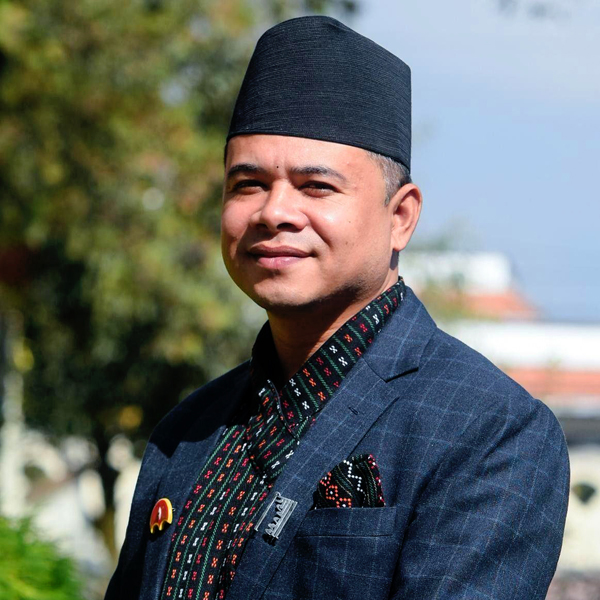
Shrestha is also known for his active involvement in policy-level advocacy. He has opposed the privatization of heritage management, particularly in the Hanuman Dhoka and Basantapur areas, arguing that cultural assets should remain under public stewardship. Despite facing pressure, threats, and legal challenges, he has remained steadfast in his mission to protect national heritage.
In collaboration with legal professionals such as Sanjay Adhikari, he has contributed to integrating legal mechanisms into heritage activism, ensuring that preservation efforts are supported by judicial processes. This strategic approach has led to significant legal victories, including court interventions that halted inappropriate reconstruction and commercialization projects.
Beyond activism, Shrestha has contributed to urban cultural revitalization by addressing social issues such as drug abuse, unmanaged tourism, and urban disorder in heritage zones like Jhoche (Freak Street). His initiatives have improved the cultural environment, reduced illicit activities, and restored the historical dignity of these areas.
Internationally, he has represented Nepal’s heritage conservation efforts in global forums, including presentations at University of Oxford, highlighting grassroots approaches to cultural preservation.
Ganapati Lal Shrestha’s work exemplifies visionary civic leadership grounded in cultural integrity, community mobilization, and resilience. His continued efforts demonstrate that heritage conservation is not only about preserving the past but also about shaping a sustainable and culturally conscious future.


यो खबर पढेर तपाईलाई कस्तो महसुस भयो ?
[WPAC_LIKE_SYSTEM]प्रतिक्रिया
सम्बन्धित खवर