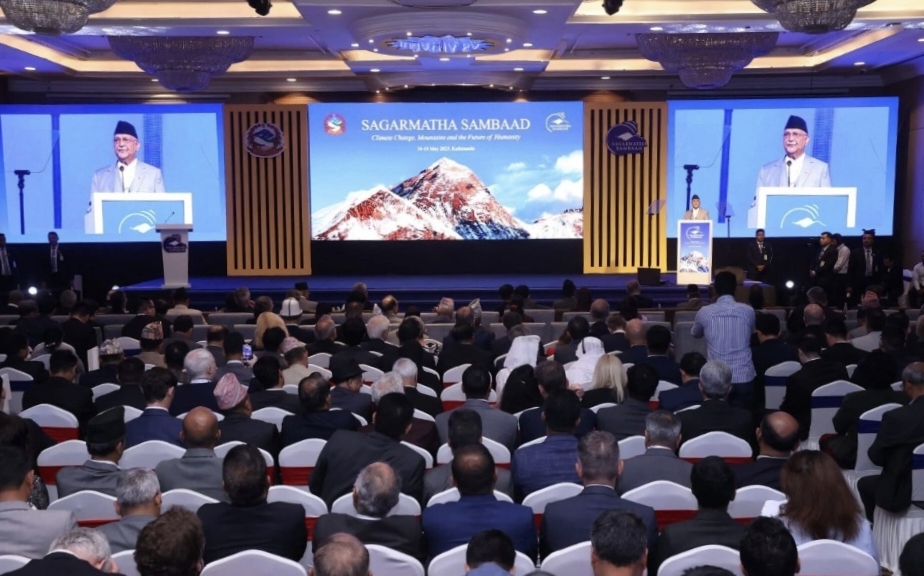
On May 16, 2025, Nepal hosted the‘Sagarmatha Sambad’ conference in Kathmandu, bringing together global leaders, scientists, and policymakers to discuss the growing impacts of climate change, especially on the fragile ;Himalayan ecosystem. As temperatures continue to rise, glaciers in the Himalayas are melting at an alarming rate, increasing the risks of floods, landslides, avalanches, and water shortages that threaten the livelihoods of millions.
Speaking at the opening session, ‘Prime Minister Khadga Prasad Oli’stressed the urgent need for global cooperation, stating, “To protect the mountains is to protect the planet. To protect the mountains is to protect humanity itself.” Nepal’s Foreign Minister Arzu Rana Deuba echoed these concerns, warning that the Himalayas are facing an unprecedented stress test, yet meaningful global climate action remains insufficient. Scientists have predicted that if the Earth continues to warm, the Himalayan glaciers could lose up to 80% of their ice mass, leading to more extreme weather disasters.
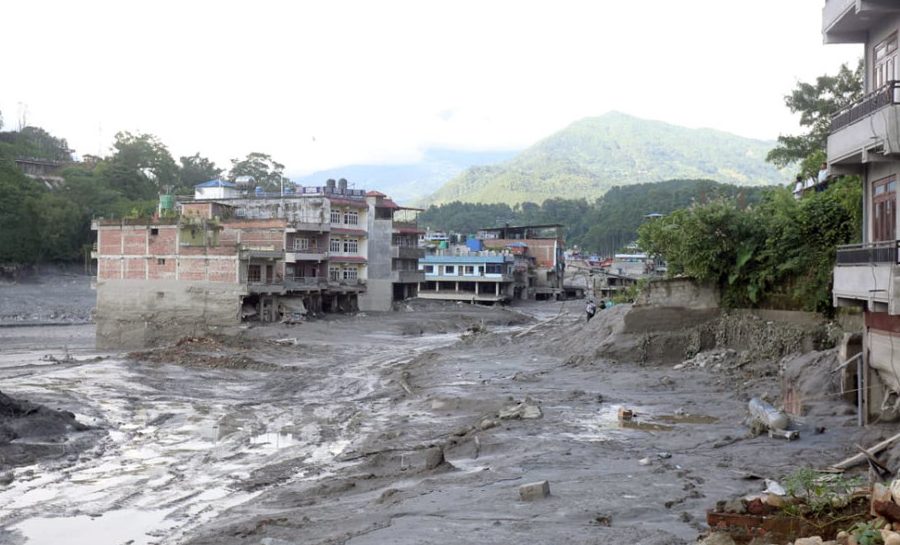
Nepal has already witnessed severe climate-related disasters, including glacial lake outbursts, forest fires, and droughts, causing widespread destruction and suffering. As a country highly vulnerable to climate change, Nepal is seeking stronger international commitments to fight global warming and protect mountain communities. Government ministers from India, Bhutan, and the Maldives participated in the event, offering regional perspectives and solutions to address climate risks.
The three-day conference concluded with the ‘Kathmandu Declaration’, outlining strategic commitments to sustainable development, clean energy adoption, and climate resilience. Nepal’s message to the world is clear—‘saving the Himalayan mountains is not just Nepal’s responsibility, but a global one.’
Written by : Rezina Tuladhar


यो खबर पढेर तपाईलाई कस्तो महसुस भयो ?
[WPAC_LIKE_SYSTEM]प्रतिक्रिया
सम्बन्धित खवर