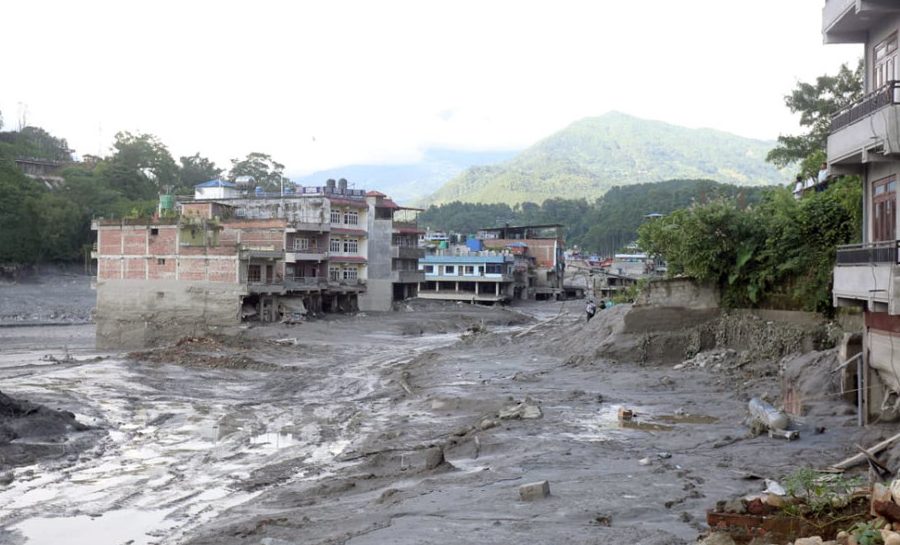
In recent decades, climate change has emerged as one of the most pressing threats to life on Earth. With rising temperatures, extreme weather events, and shifting ecosystems, the consequences of global warming affect every corner of the planet. As scientific consensus grows and real-world evidence mounts, the urgency for immediate action has never been greater.
Rising Temperature and Extreme Weather
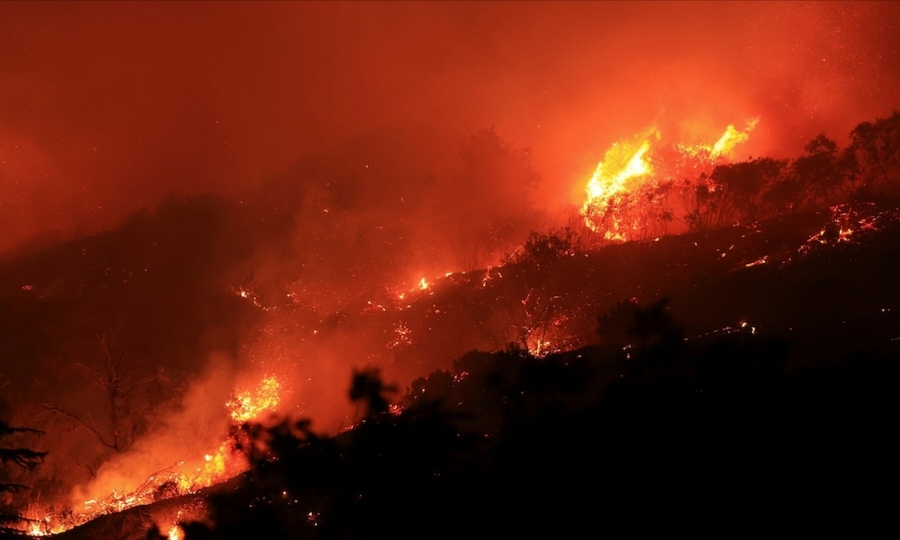
One of the most visible signs of climate change is the rapid rise in global temperatures. According to climate scientists, Earth’s average temperature has increased by approximately 1.1°C since the late 19th century, largely due to human activities such as burning fossil fuels and deforestation. This warming has intensified extreme weather events like hurricanes, droughts, and wildfires.
For instance, the Arctic ice caps are melting at an alarming rate, leading to rising sea levels that threaten coastal cities and island nations. Countries like Bangladesh, the Maldives, and parts of the United States (such as Florida) face the risk of severe flooding in the coming decades.

Threats to Biodiversity and Agriculture
The natural world is also suffering, as ecosystems struggle to adapt to climate change. Many species are on the verge of extinction due to habitat destruction, shifting temperature patterns, and extreme conditions. Coral reefs, often referred to as the “rainforests of the sea,” are bleaching at unprecedented rates, endangering marine biodiversity and affecting the livelihoods of millions dependent on fishing industries.
Agriculture is another sector heavily impacted by climate change. Unpredictable weather, prolonged droughts, and excessive rainfall have led to declining crop yields, threatening global food security. Some regions may become too hot or arid to support farming, forcing communities to migrate in search of viable land.
Economic and Social Consequences
Beyond environmental concerns, climate change has dire economic and social implications. Countries with fragile economies often struggle to recover from climate-related disasters, deepening inequality and poverty. Climate refugees—people displaced due to environmental conditions—are expected to rise in numbers, leading to geopolitical tensions and humanitarian crises.
Additionally, public health is at risk as heat waves increase, spreading vector-borne diseases such as malaria and dengue fever. Cities with poor infrastructure may face deadly air pollution, further exacerbating health challenges.

A Call for Action
Despite the grim reality, there is hope. The global movement for sustainability is gaining momentum, with nations pledging to reduce carbon emissions and transition to renewable energy sources. International agreements like the Paris Accord aim to limit global warming to below 2°C, but achieving this requires dedication from governments, corporations, and individuals alike.
Efforts such as afforestation, carbon capture technology, and green energy investments can significantly mitigate climate change’s impact. While challenges remain, global cooperation and innovation will be crucial in securing a livable future for generations to come.
Conclusion
The world is indeed facing serious risks due to climate change, but it is within our power to reverse the damage. Immediate action, bold policies, and collective responsibility are the keys to a sustainable future. We must embrace change—not just for ourselves, but for the planet and all who inhabit it.


यो खबर पढेर तपाईलाई कस्तो महसुस भयो ?
[WPAC_LIKE_SYSTEM]प्रतिक्रिया
सम्बन्धित खवर