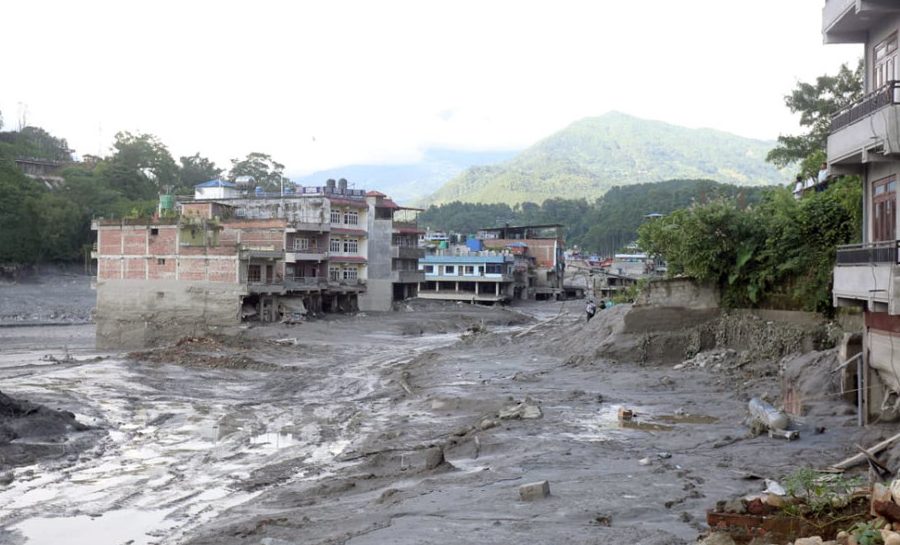
The most affected area is Buner district in Khyber Pakhtunkhwa province, where at least 209 people are missing, though officials told the BBC the number is expected to rise. According to Jahangir Khan, spokesperson for the deputy commissioner’s office in Buner, rescue teams had to bury eight unidentified bodies themselves. Due to damaged roads, many families have been unable to claim the bodies of their loved ones.
A provincial rescue spokesperson told AFP that 10 to 12 villages have been partially buried. In Shangla as well, “dozens of people are missing,” according to Asfandyar Khattak, head of the Provincial Disaster Management Authority.South Asia receives about three-quarters of its annual rainfall during the monsoon. While floods and landslides are common, scientists warn that climate change is making such events more frequent and intense this year.
Recently, heavy rains also caused severe damage in Indian-administered Kashmir, where more than 60 people were killed. In Pakistan-administered Kashmir, nine people died this week alone, while another five deaths were reported in Gilgit-Baltistan.
The Pakistani government has issued warnings of heavy rainfall until August 21 in many northwestern regions. Since the start of this year’s monsoon, more than 650 people have lost their lives across the country.In Punjab province alone, rainfall has been 735 mm higher than last year, and in July itself, the number of deaths has already surpassed the total toll of last year’s monsoon.Experts say the glaciers in northern Pakistan are melting rapidly, further increasing the risk of floods and landslides.


यो खबर पढेर तपाईलाई कस्तो महसुस भयो ?
[WPAC_LIKE_SYSTEM]प्रतिक्रिया
सम्बन्धित खवर